何でも検索してください。

ブログ

リボンスリッターの主要技術の解説:張力制御とスリット精度

スリット技術2026年2月7日0

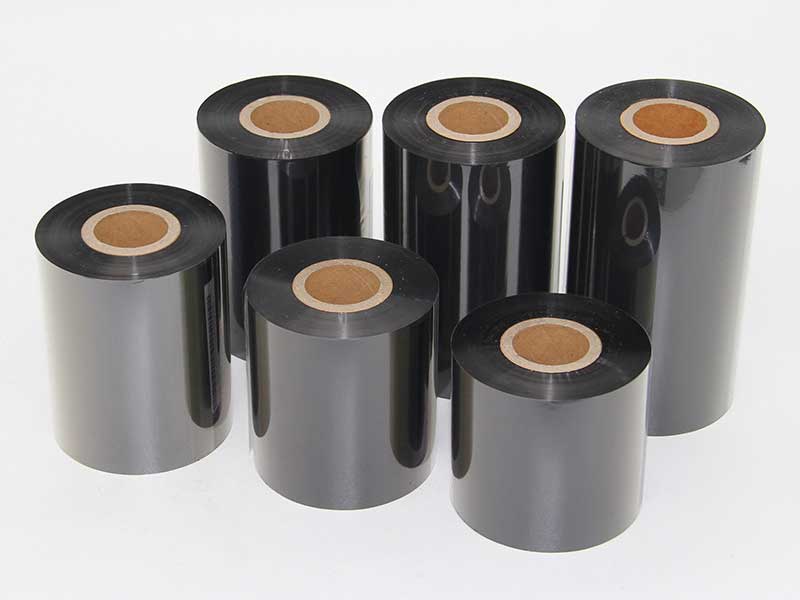
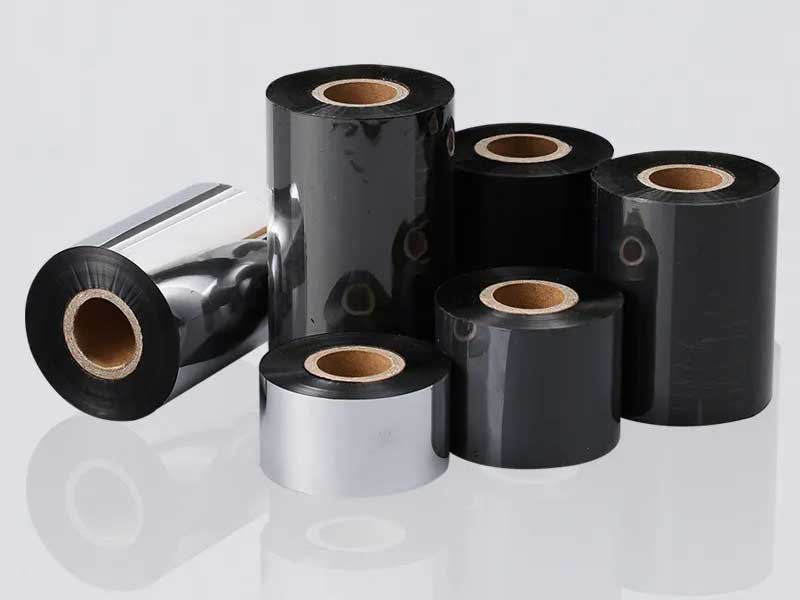
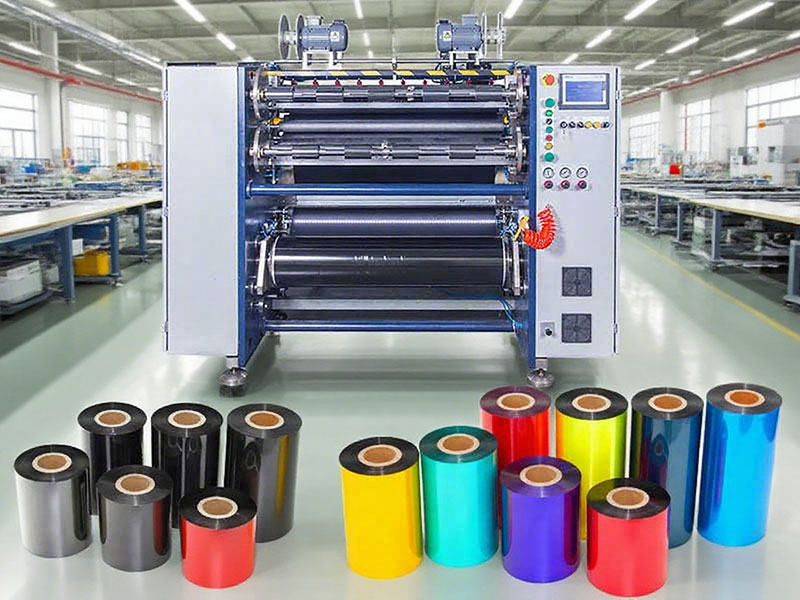
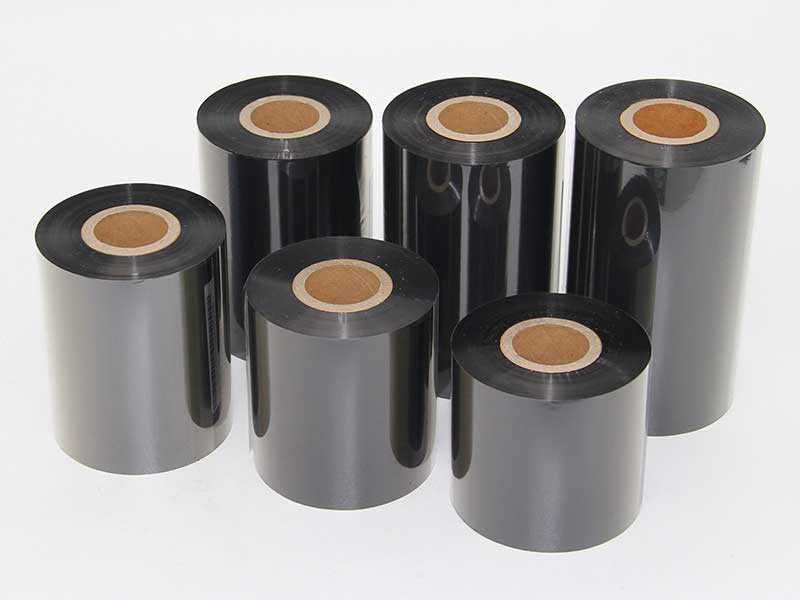
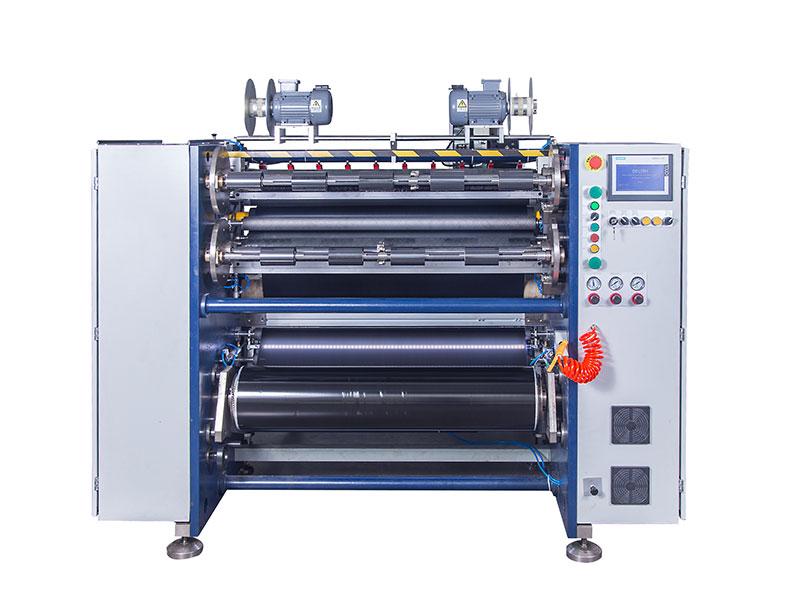
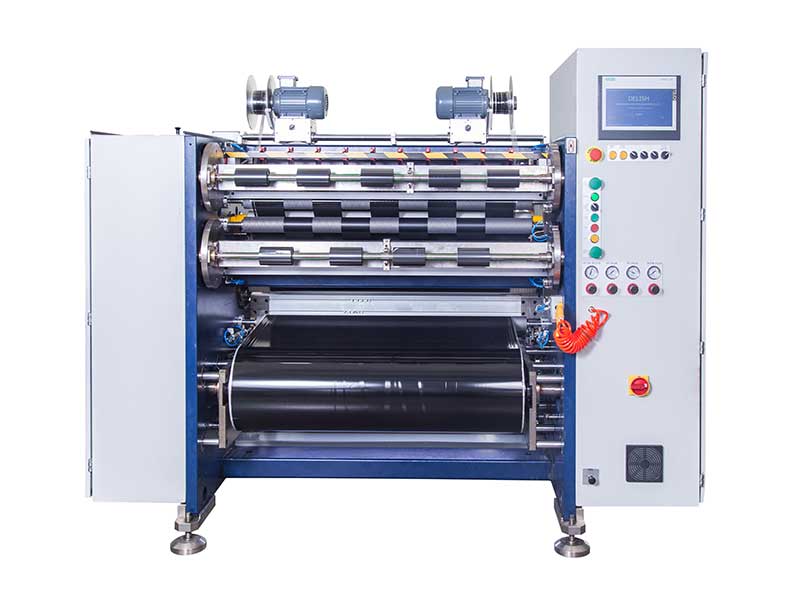
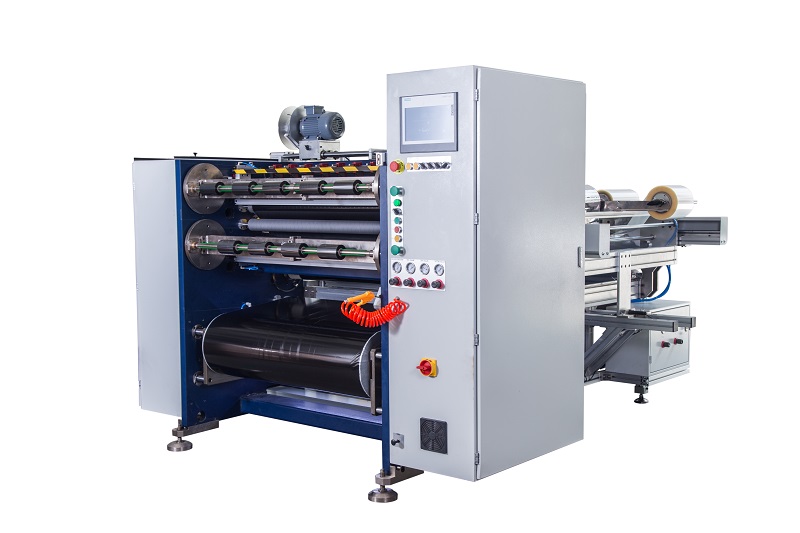
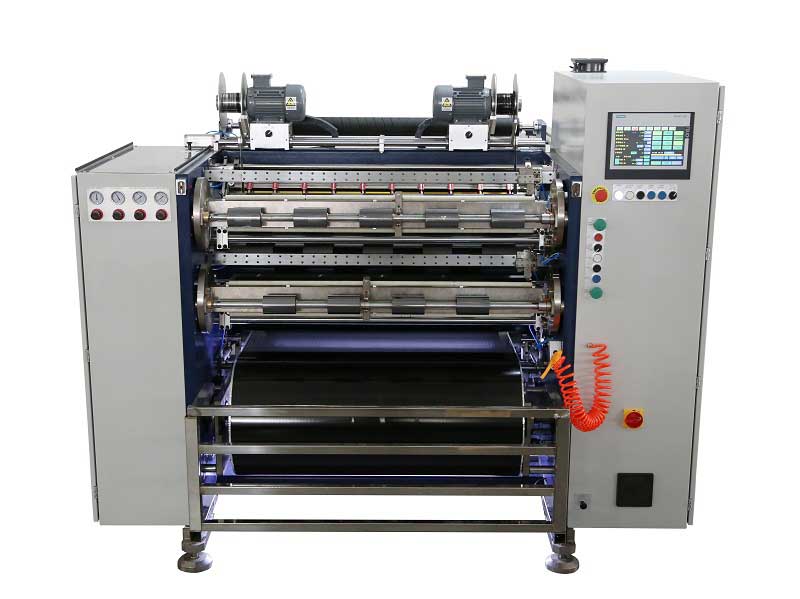
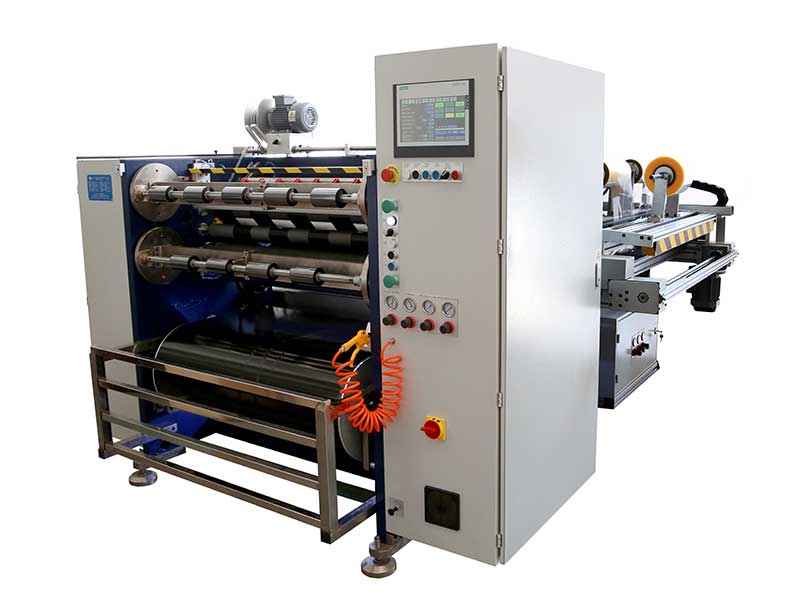
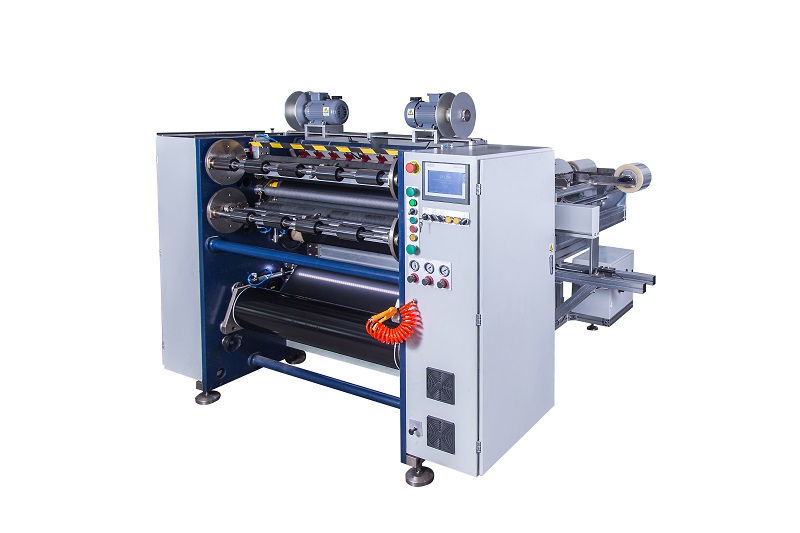
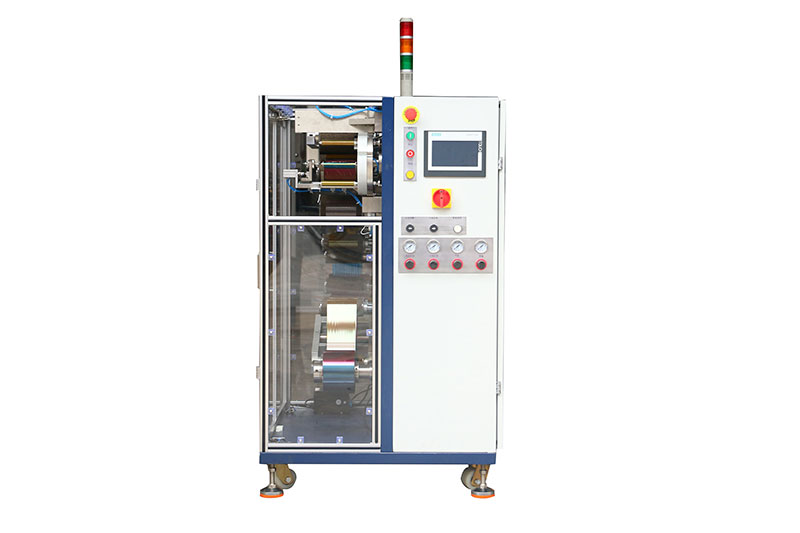
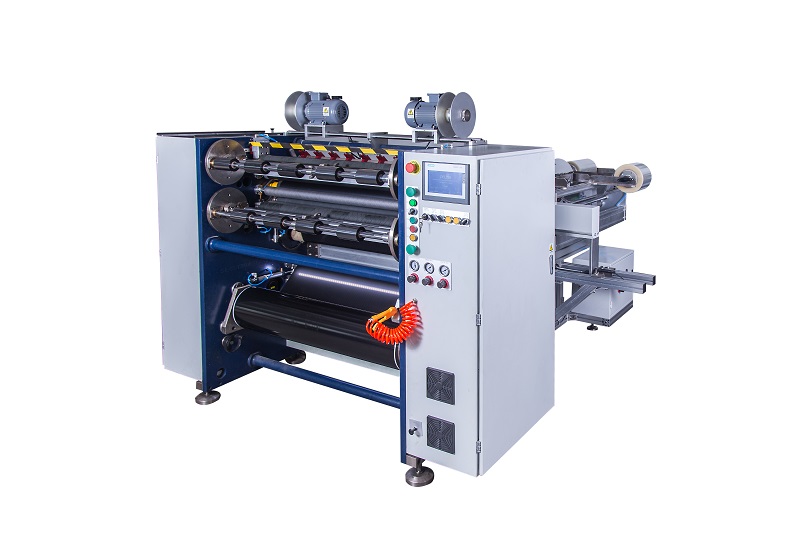
In precision manufacturing fields such as thermal transfer labels, logistics labels, and electronic components, ribbon is the core material of information carriers, and its slitting quality directly determines the printing clarity, durability, and reliability of the final product. As the last key process in ribbon production, the technical level of the slitting machine is crucial. Among the many technical elements, tension control and slitting accuracy are like the "twin engines" driving precision manufacturing, and the synergy between the two determines the quality of ribbon slitting and is the core code for interpreting modern ribbon slitting technology.

Interpretation of key technologies of ribbon slitting machine: tension control and slitting accuracy

1. Tension control: the "soul of stability" of the slitting process

Tension, that is, the tensile force that the material is subjected to during the slitting process. For ribbons, thin composites made of polyester films (e.g., PET), heat-sensitive coatings, and backcoats, the precision of tension control is the first lifeline to ensure production continuity and slitting quality.

1. Core value: from break-proof belt to flatness

The ribbon is extremely thin (4.5-6 microns for common specifications), the material is fragile, and it is extremely sensitive to stretching. If the tension is too small and the material is loose, it will lead to uneven winding, wrinkles, and even slippage during operation, affecting the dimensional stability of slitting. If the tension is too large, it will directly cause tensile deformation of the film, microcracking of the coating, and in severe cases, it will lead to broken bands, resulting in production interruption and waste of raw materials. Therefore, the primary goal of precise tension control is to achieve stable operation without wrinkle, laying the foundation for high-precision slitting.

2. Technological evolution and system composition

Modern high-end ribbon slitting machines have bid farewell to the era of simple mechanical friction tension, and generally adopt closed-loop automatic tension control systems. The system typically consists of three core parts that work together:

• Tension detection unit: uses high-sensitivity tension sensors (such as strain gauge type or piezoelectric type) to accurately measure the instantaneous tension value of each link of unwinding, process guidance and winding in real time.

• Intelligent control unit: with PLC or special controller as the core, it receives detection signals, and performs high-speed calculations according to the preset tension curve (usually taper control considering the change of coil diameter) and outputs control instructions.

• Actuator unit: including magnetic powder clutch/brake, servo motor drive torque control, or pneumatic brake, etc., quickly respond to control commands and adjust the unwinding brake and winding traction torque in milliseconds.

3. Challenges and strategies

The tension fluctuation in ribbon slitting is mainly due to the inertia change caused by the continuous reduction of the winding coil diameter; The material itself has a small uneven thickness; and the dynamic process of high-speed start-stop. Advanced control strategies, such as "feedforward + feedback" composite control and adaptive fuzzy PID control, are widely used. They predict interference, compensate in advance, and ensure that tension fluctuations are suppressed to a very small range (e.g., ±1%) from full to empty rolls, enabling "constant tension" or "ideal taper tension" slitting.

Interpretation of key technologies of ribbon slitting machine: tension control and slitting accuracy

2. Slitting precision: the "millimeter art" that determines quality

On the basis of tension stability, slitting accuracy is a direct yardstick to measure the finished grade of ribbons. It not only refers to the absolute accuracy of width and dimensions, but also covers all aspects of the quality of the cutting surface and the neatness of winding.

1. Multi-dimensional embodiment of precision connotation

• Width accuracy: This is the most basic requirement. High-end applications such as electronic component marking require a stable slitting width tolerance of ±0.05mm or less, ensuring smooth operation in automatic printers without sitting or jamming.

• Facet quality: The facet must be smooth, straight, burr-free, and flanging-free. Any microscopic burrs may fall off during use, contaminating the print head; Flanging can lead to uneven rewinding and sudden changes in tension during operation.

• Winding quality: The multiple narrow strips after slitting must be independently reeled neatly, with the end surface as flat as a mirror, without strings, collapsed edges, and bulges (bamboo joints). This is directly related to the unwinding stability and printing consistency of the customer's production line.

2. Technical pillars that achieve high precision

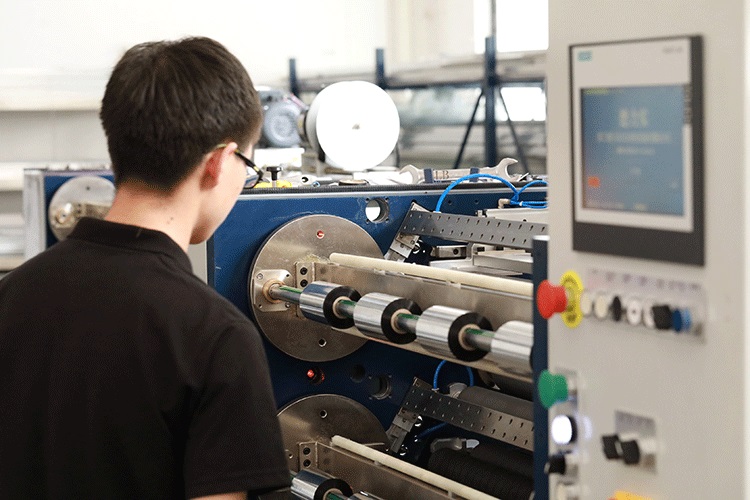
• Highly rigid mechanical platform: A robust frame, high-precision spindle, and guide rollers are the foundation, ensuring that the equipment is free from harmful vibrations during high-speed operation, providing a stable "stage" for precision slitting.

• Precision slitting tool system: This is the core execution component. Single-edged knives (razors) are the preferred choice for ribbon slitting due to their extremely thin edges and self-sharpening properties, which provide excellent surface quality when slitting coated materials. Round blades (flat or scissors) are more suitable for high-speed, high-volume production. The material of the tool (e.g., carbide, ceramic coating), grinding accuracy, fine-tuning of the mounting angle and clearance directly affect the state of the facet.

• Intelligent Guiding Control (EPC): Before slitting, the position of the edge of the material is detected by photoelectric or ultrasonic sensors, and the guide rollers are dynamically adjusted to ensure that the material enters the slitting area in the absolutely correct position. This is key to ensuring width consistency and avoiding waste.

• Dynamic temperature control: In some high-end ribbon slitting, precise constant temperature control of the tool or material is carried out to reduce thermal expansion and material property changes caused by frictional heat, further improving stability.

Interpretation of key technologies of ribbon slitting machine: tension control and slitting accuracy

3. Tension and precision: a precise closed loop that dances together

Tension control and slitting accuracy do not exist in isolation, but are deeply coupled and influence each other.

• Tension is a prerequisite for precision: Unstable tension can cause microscopic expansion or lateral drift of the material at the moment of slitting, which directly leads to width fluctuations and poor sections. Stable tension provides constant "cutting" conditions for the cutting edge.

• The precision system acts on tension: sharp tools and flat cutting surfaces can reduce slitting resistance and help maintain stable tension; Conversely, blunt knives or poor sections will increase resistance and cause local tension mutations. Neat winding ensures a smooth starting point for tension during unwinding in the next link (such as customer use).

Hyundai's state-of-the-art ribbon slitting machine is committed to integrating tension control systems with guiding systems, spindle drive systems, and even tool condition monitoring systems. Through a unified bus network (such as EtherCAT), high-speed data interoperability and collaborative decision-making are realized, forming a large closed-loop control system that can be self-aware and dynamically optimized.

エピローグ

Today, as the manufacturing industry moves towards high-end and intelligence, carbon belts, as tiny carriers for information recording and transmission, have increasingly stringent production accuracy requirements. For ribbon slitting machines, the two key technologies of tension control and slitting accuracy, one inside and one outside, one soft and one rigid, together build the quality cornerstone of precision manufacturing. Their continuous refinement and deep integration not only drive the upgrading of ribbon slitting equipment itself, but also ensure the clearness, reliability and efficiency of countless downstream industry logos from the source, highlighting the profound wisdom and ultimate pursuit of modern industrial control.